Windows Vista Memory Tweak Guide. With every release of a new operating system come new demands and Windows Vista is by large no exception to this rule. There are several relevant components to the Windows memory subsystem. In this guide we will put special emphasis on the hard drive, processor and RAM, taking you through a variety of settings to optimally configure these and hopefully end up with an overall smoother running system. Note: Most of the information and setting modifications covered here will require Administrative privileges. Troubleshooting. For starters, it's always good practice making sure you have the latest Vista updates installed. For the purpose of this guide this is important as in many instances they may fix memory related issues, e.

You can find and download relevant Vista updates using the built- in Windows Update, while hardware driver updates can be found at Tech. Spot Drivers. For application- specific updates check the developer/application site or use any built- in auto- update facility. Registry Options. The System Registry contains several settings which will allow to further configure memory management features in Windows Vista. Used properly this can further improve your PC's memory subsystem performance - there are also several placebos we need to clear up as well. To access the Registry click on Start, Run. Type in regedit and click Ok.
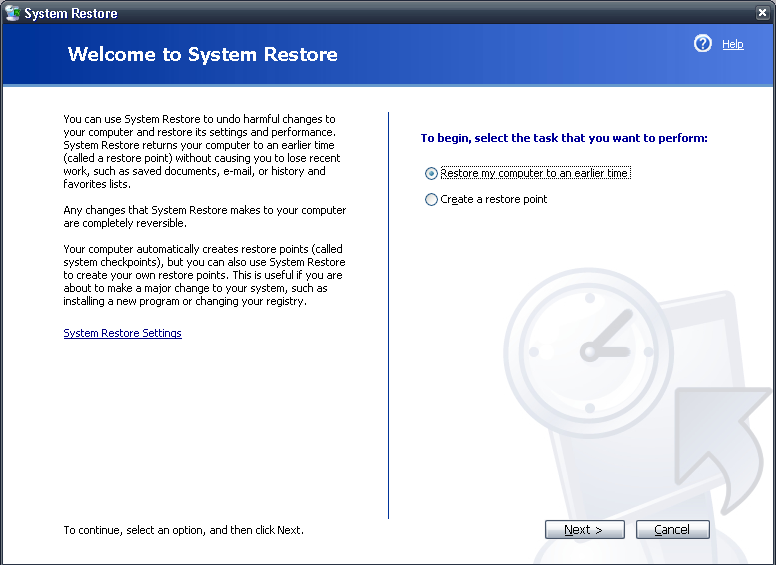
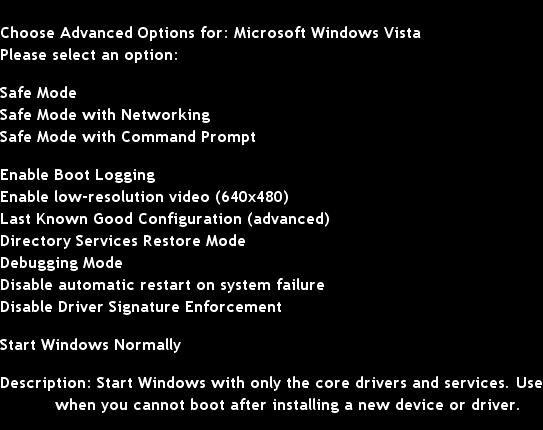
Safe mode is a diagnostic mode of a computer operating system (OS). It can also refer to a mode of operation by application software. Safe mode is intended to help.
Navigate to . In parenthesis I'll cover which format the Data is to be changed in. The more relevant options are as follows: Clear. Page. File. At. Shutdown. This setting allows inactive Pages in the Paging File to be cleared (overwritten with zeros) during shutdown. This is certainly worth considering if you're highly security conscious.
When set to 0 (Default) inactive Pages are not written with zeros having no effect on shutdown time and making Page File data readable (this is recommended and certainly safe for home users). A value of 1enables inactive Pages to be cleared during shutdown, which is useful from a security viewpoint. You can expect shutdown times to increase as a result; this is more appropriate in a business environment.
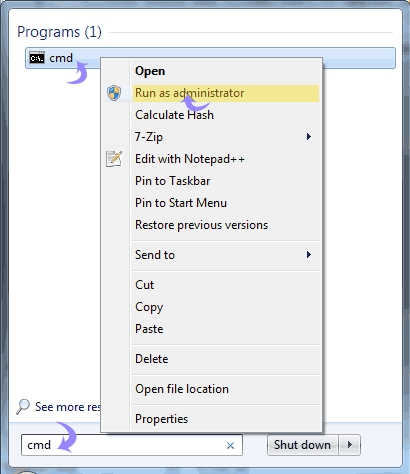
Starting Windows 7 in Safe Mode is an excellent next step when starting Windows normally is not possible. Safe Mode only starts the most important Windows 7 processes.
Disable. Paging. Executive. This setting controls how inactive kernel- mode drivers and system code are handled by the memory subsystem. A value of 0 (Default) specifies that inactive kernel- mode drivers and system code can be released from RAM and paged to the Page File. A value of 1 specifies that inactive kernel- mode drivers and system code be retained in RAM. It's worth considering that any performance benefit to this feature will only occur when restoring a process which had been paged out to the Page File. As such I would generally recommend setting this to 0, but if RAM availability is not an issue then a value of 1 may provide improved responsiveness when restoring applications that has been inactive for some time.

Large. System. Cache. This setting controls the size of the file system cache. When set to 0 (Default) a standard sized file system cache is allocated (Less than 1.
MB RAM); this is recommended as it provides best Application performance. When set to 1 this enables the use of a large file system cache (up to total RAM amount minus 4.

MB!); this option is only suitable when Windows Vista is acting as a Server not as a gaming system or for other workstation use as it will be detrimental to performance as Microsoft notes: When you enable System cache mode on a computer that uses Unified Memory Architecture- based video hardware or AGP, you may experience a severe and random decrease in performance. The Drivers for these components consume a large part of the remaining application memory when they are initialized during startup.
Cannot Start Outlook 2. Use Safe Mode. If your Outlook 2. Apart from add- ins, there could be hundreds of other reasons why your Outlook is crashing. In all cases you will need to start Outlook 2.
So how would you start Outlook in safe mode? Go to Start Search, type Run, and hit Enter.

Once the Run dialog window is open, you can type any one of the four switches. Starts Outlook without Microsoft Exchange Client Extensions (ECE), the Reading Pane, or toolbar customizations. Component Object Model (COM) add- ins are turned off. Starts Outlook with the Reading Pane off. Starts Outlook with Microsoft Exchange Client Extensions (ECE) turned off, but listed in the Add- In Manager. Component Object Model (COM) add- ins are turned off.
Starts Outlook without loading outcmd. For some reason, /safe: 2 switch is not included so typing it will give you . Suppose you can run Outlook in /safe and /safe: 4 switch, but not in /safe: 1 and /safe: 3 switch, this means the problem is occurring in the customized toolbar.

Please note that these switches work for Outlook 2. For more, if you are using Firefox, we have a guide to launch it in Safe Mode too.


/http%3A%2F%2Fpad1.whstatic.com%2Fimages%2Fthumb%2F9%2F99%2FCreate-a-Bootable-Windows-7-or-Vista-USB-Drive-Step-13-Version-2.jpg%2Faid711829-v4-728px-Create-a-Bootable-Windows-7-or-Vista-USB-Drive-Step-13-Version-2.jpg)
/https%3A%2F%2Ftr1.cbsistatic.com%2Fhub%2Fi%2F2017%2F04%2F11%2F7983ac85-ee80-4475-b999-d126c6736bf2%2Fvista.jpg)
/https%3A%2F%2Fhttp://localhost/%2Fimages%2FI%2F41ZEQQKYFYL._SR600%2C315_PIWhiteStrip%2CBottomLeft%2C0%2C35_PIStarRatingTHREE%2CBottomLeft%2C360%2C-6_SR600%2C315_SCLZZZZZZZ_.jpg)
/http%3A%2F%2Fits.uiowa.edu%2Fsites%2Fits.uiowa.edu%2Ffiles%2Fstyles%2Flarge%2Fpublic%2FSAS%20Install.png%3Fitok%3Dsg1gLf9e)